



Discover yourself! Leadership starts with who you are
What do Steve Jobs and Gandhi have in common? They are both icons of leadership based on how they were perceived primarily in terms of their character. They serve as examples of what may be called ‘leader archetypes’ that may help you identify your own style of leadership.
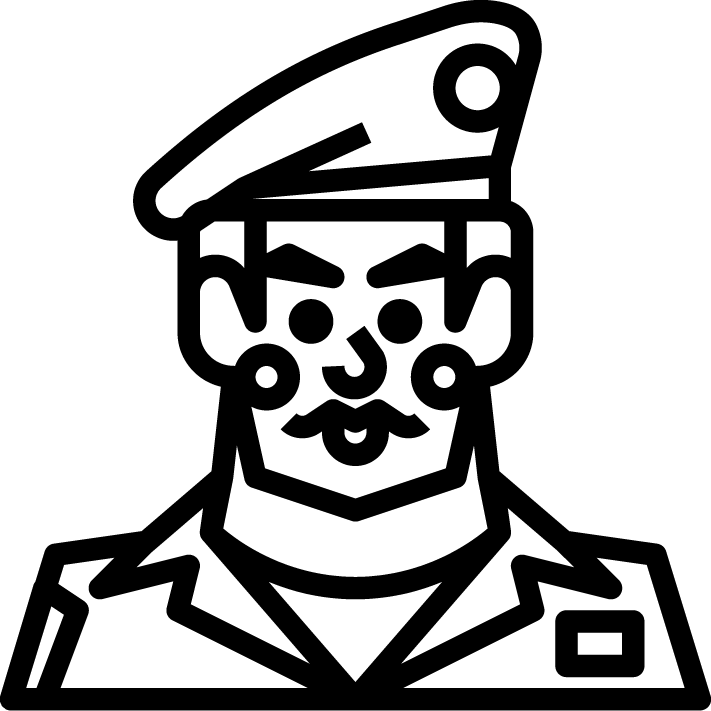 Are you The General?
This archetype stands for the rather inflexible leader. The one who thrives in a crisis but believes direction should only come from the top. This is the hustler, who best motivates employees by paying them more.
Examples: Rudy Giuliani and Martha Stewart
 Are you The Paragon?
This is the leader that sets high-standards and leads by example. Though hard-working and a high achiever, this is a leader that may have communication problems. The paragon also believes direction should only come from the top and best motivates employees by paying them more.
Examples: Steve Jobs and Jack Welch
 Are you The Team Builder?
The team builder encourages open communication and goes by the motto of employees first. This archetype leader can build strong relationships with employees and gives them lots of freedom. However, sometimes, this style of leader may let poor performance go unnoticed.
Examples: James Sinegal
 Are you The Coach?
This type of leader mentors employees to help them succeed. This is a good leader for long-term goals but may let immediate goals and work-related tasks slide. The Coach believes everyone should have a say in setting company goals and thrives on interacting one-on-one with employees.
Examples: Sam Allen
 Are you The Populist?
The populist values democratic processes, employees’ ideas, and harmony in the workplace. However, indecision may be a problem in this style of leadership, as everyone chips in, the organization’s clear vision may get obscured.
Examples: Kim Jordan, Bob Moore
 Are you The Visionary?
This leader has a clear vision and inspires employees to make it come true, with a sense of shared mission. However, the visionary may overlook individual needs in favor of the grand vision.
Examples: Barack Obama, Bill Gates, Richard Branson
Leader archetypes, by the very definition, are a cluster of abilities and attitudes that make up a certain style. However, you may find that you possess more than one of these leader archetypes within your own style, or the ones that are around you.
Knowing your leadership style will help you identify where to focus on; in leading from your points of strength and understanding how you can develop new skills.
If you are looking to find out about your strengths as a leader, Gallup’s Strength-based Leadership assessment can give direction on whether to focus on your strengths or expand on where you have room for improvement. Learn more about strengths-based leadership.
To dig deeper into the topic of leadership, check our previous articles:
- Becoming a Great Leader
- Take a Spin! When Leadership goes 360
- Agile Leadership and the servant leader
For hands-on exercises on leadership, download our worksheet Becoming a Great Leader.
We encourage you to understand that leadership is not about knowing but experiencing and learning about your unique leadership style that fosters your own strengths and grows your team’s abilities to excel at their contribution at work. Therefore, we are writing about a few leadership related theories, approaches, and techniques that may be useful to you.
Our leadership topics are a free selection by us of authors and streams of theory, without having any commercial or affiliate biases. Hopefully, our articles will inspire you to check out new stuff or re-visit and value some of the interventions you may have already implemented.
If you want to discover more about your leadership style, don’t hesitate to get in touch.
Leadership is a complex topic: do you want to develop as a leader (as a person) or develop your skills in leadership (as an ability)? A coaching session can help to get some clarity & orientation!
Check our online assessment, and book a free coaching call. We can also carry the strengths assessment with you.
MAIKE STOLTE
Executive Coach. Consultant. Trainer. Facilitator.
Categories
Contact us


Leadership in an AI-Driven World
Leadership in an AI-driven world requires trust, ethics, presence, and human judgment. Learn what leadership must look like now.

Leading Hybrid Teams
Leading hybrid teams requires new leadership behaviours. Learn how trust, clarity, and autonomy help hybrid teams perform and stay engaged.

Leading in Uncertainty
High-performing teams are built through leadership behaviours that create trust, clarity, and psychological safety. Learn what actually drives team performance.
0 Comments